
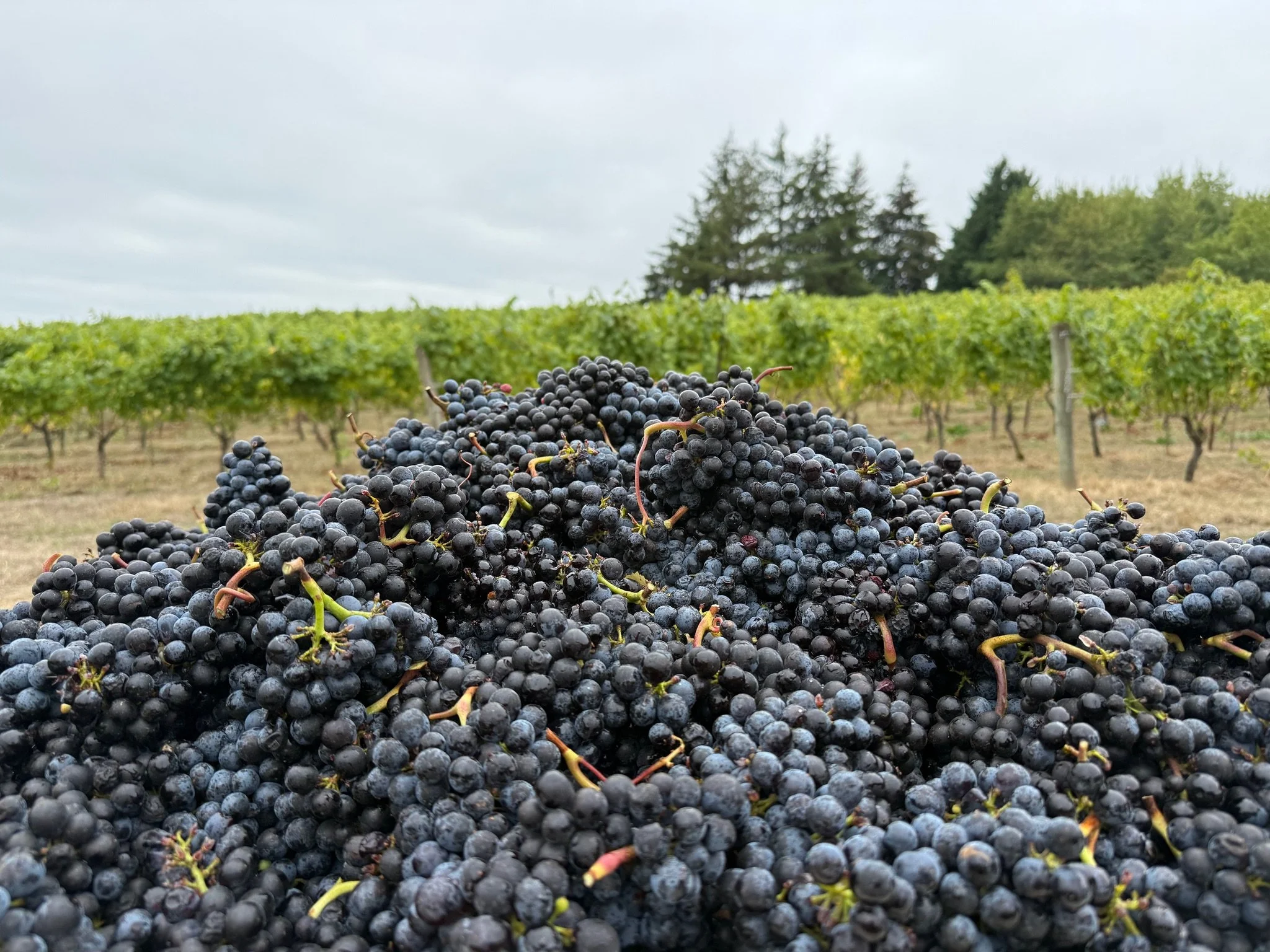
Can we taste better farming? Exploring the connection between living soil, plant chemistry, and what ends up in the glass
The deeper question behind many of our experiments at Burl is whether better farming can create quality that people can actually taste, measure, and value. The distinction matters. Regenerative agriculture is often framed around its environmental benefits: building soil, increasing biodiversity, improving water retention, reducing chemical inputs, and creating more resilient ecosystems. But what if those changes also affect the quality of what the farm produces? If better farming can create something measurably different, and sensorially compelling, then ecological agriculture gains an incentive beyond environmental responsibility. Quality itself can help drive the transition, and wine offers an unusually interesting place to explore this idea.
A grapevine is intimately connected to the biological world beneath it. Its roots interact with mycorrhizal fungi, bacteria, organic matter, water, and minerals. Above ground, the plant responds to sunlight, temperature, insects, disease pressure, neighboring plants, and the interventions of the farmer.
The vine translates these conditions into chemistry. Among the results are secondary metabolites, including phenolics and related compounds, that contribute to color, aroma, tannin, texture, and flavor. These compounds are part of the plant's own response to its environment, but they are also part of what creates the complexity we experience in wine.
This raises a question we are increasingly interested in at Acania: if we change the biological conditions in which the vine grows, what changes within the vine, and eventually, within the wine?
The Vitiforest is one place we are exploring this. Instead of growing grapevines as a monoculture, we are planting them among fruit trees, shrubs, pollinator plants, diverse cover crops, and eventually grazing animals. The hope is not simply to create greater biodiversity for its own sake, but to observe how that diversity changes the biological relationships surrounding the vine. We do not yet know what those changes will mean for the fruit, but we can’t wait to find out!
Over time, we hope to compare soil biology, plant health, fruit composition, and ultimately sensory qualities across differently farmed parts of Acania. Some relationships may prove meaningful. Others may disappear under measurement. Farming is a living system, and cause and effect are rarely as tidy as we would like them to be.
This summer, we brought some of these questions to the Telluride Science & Innovation Center, tasting four Burl wines from a single location while considering the different biological and human decisions that shaped them. It returned us to a deceptively simple question: If we can build healthier, more biologically complex vineyards, will the vines tell us, and will we be able to taste the answer?